
Whether your small business is new or you’ve run it for decades, you may not fully understand which expenses are potentially tax-deductible and which aren’t. After all, that’s why you have a tax advisor! But it’s worth keeping up with tax law because your daily decisions could significantly reduce your business’s taxable income — and […]
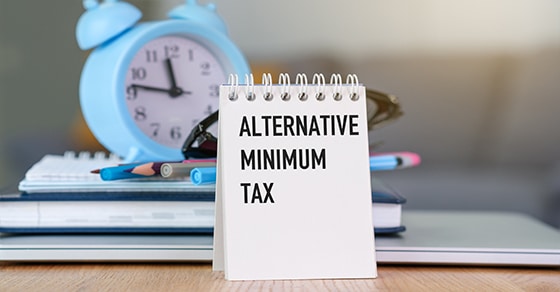
Tax law changes taking effect this year will increase alternative minimum tax (AMT) risk for some higher-income taxpayers. If you may be affected, consider the AMT before implementing income or deduction timing strategies. A move that would reduce your 2026 regular tax might provide little or no benefit under the AMT — or could trigger […]
If your small business accepts, uses or invests in Bitcoin, Ethereum or other forms of cryptocurrency, accurate reporting and detailed records are critical for federal tax purposes. The IRS continues to scrutinize digital-asset transactions. Today, business tax returns include a question about digital assets, and brokers are now required to report certain transactions to taxpayers […]
If you own a closely held C corporation, you might be looking for ways to withdraw cash from your business. Paying yourself a dividend can be a straightforward option — but it comes at a tax cost. Corporate distributions are generally taxable to you to the extent of your company’s “earnings and profits,” and your […]
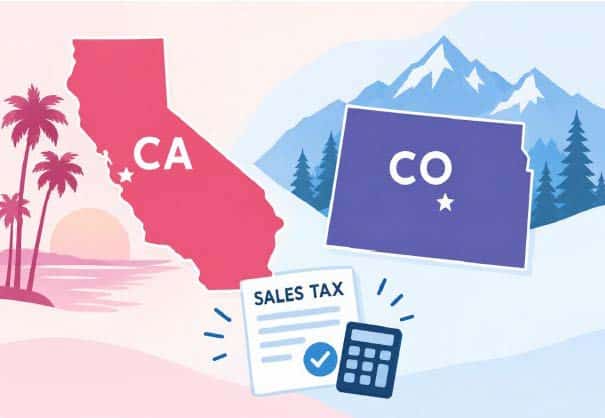
Working remotely may broaden your job options and make daily life easier. But working from a different state than your employer — or spending part of the year working from a second home in a different state than where you normally reside — can create state tax issues. Because the rules vary by state, work […]
Teachers and other educators often spend their own money on books, supplies, equipment and other classroom needs. For 2026, eligible educators may have two ways to deduct qualifying unreimbursed expenses. One deduction is available whether or not they itemize, and a new deduction under the One Big Beautiful Bill Act (OBBBA) is available to itemizers. […]
Trading items or services — without exchanging cash — has long been common among small businesses. Today, some use online barter exchanges to facilitate trades. In addition to preserving cash flow, these types of transactions may expand your purchasing power, help you move overstocked inventory and increase your business’s exposure to new markets. But bartering […]
Many small businesses start out as sole proprietorships. This structure is simple and inexpensive to establish and maintain — and it gives the owner direct access to profits without having to take formal distributions. But it also makes your taxes more complicated than when you were a W-2 employee. Here are some federal tax issues […]